National transport

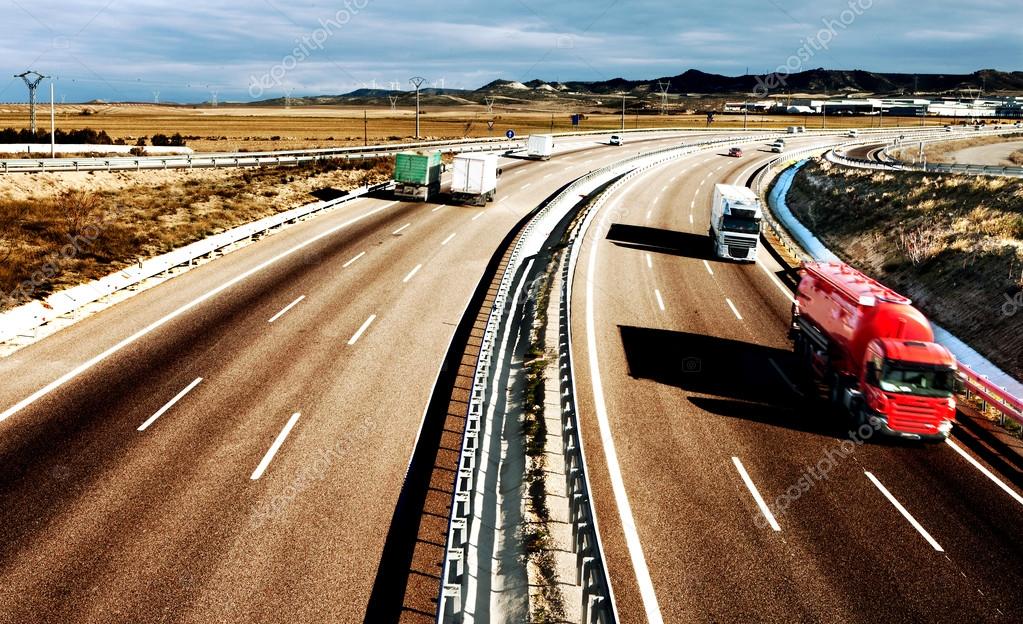
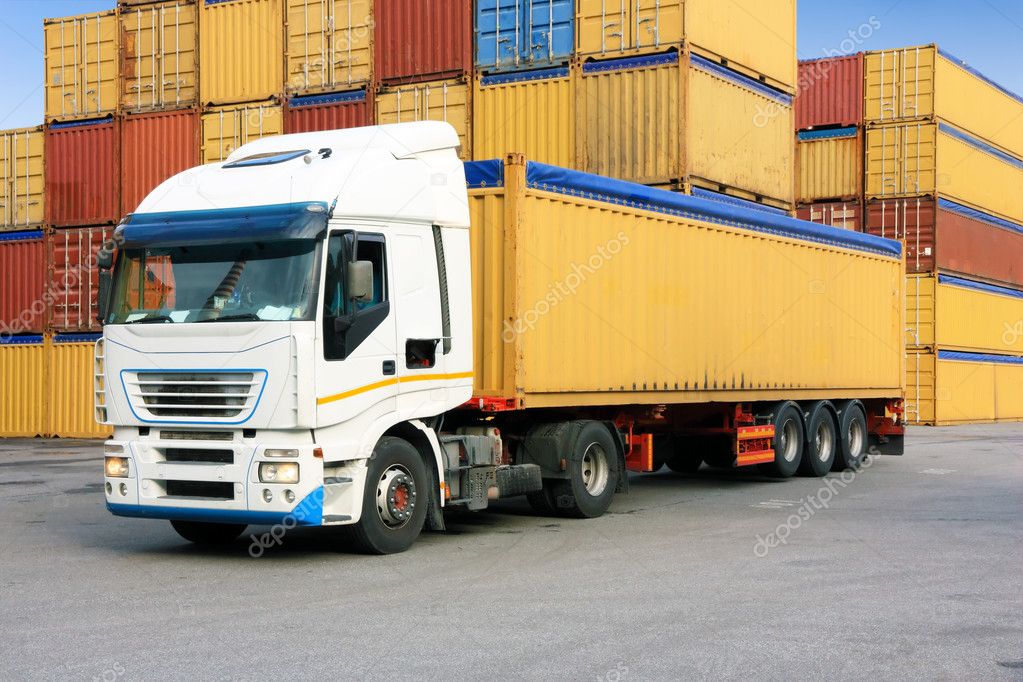
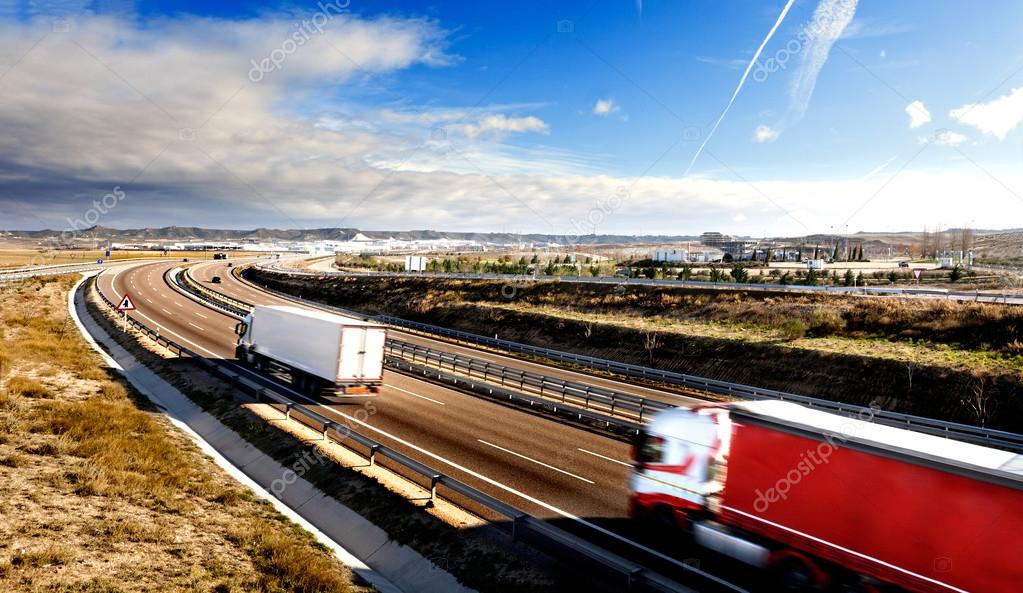
National transport plays a key role in any country's economy, enabling the movement of goods and people within national borders. It is a complex logistics system that encompasses a variety of modes of transport and plays a vital role in ensuring the operation of businesses and the delivery of products and services to customers throughout the country.

Features of national transport

National transport is an integral part of the social and economic life of any country, enabling the free movement of goods and people and promoting the development and well-being of society. It enables a variety of mobility, trade and regional and national integration needs and objectives.

Availability of various modes of transport

Domestic transport uses a variety of modes such as roads, railways, airlines, inland waterways and intermodal transport. This makes it possible to move goods and people according to their specific characteristics, distances and time priorities.

Scalability and flexibility

Domestic transport is scalable and flexible to adapt to changing market needs and demands. Companies can choose between different modes of transport and adjust schedules and routes according to current conditions and customer needs.

Differing infrastructure conditions

Transport infrastructure in any country can vary in terms of quality, accessibility and distribution. There are regions with well-developed road, rail and air networks, as well as areas with limited transport access, which can affect costs and delivery times.
Safety and regulation

Domestic transport is subject to a variety of rules and regulations concerning road safety, environmental protection, restrictions on the transport of dangerous goods and other legal and administrative issues. Ensuring compliance with these regulations is an important part of domestic transport operations.

Role in regional development

National transport plays an important role in regional development, providing access to markets, education, jobs and other resources in different regions of the country. It is a key factor in integrating the national economy and supporting the even spread of economic benefits.

Rules and regulations in national transport

Domestic transport is subject to a number of rules and regulations that govern its operation and ensure safety, efficiency and legal compliance. Below are key aspects of the rules and regulations in domestic transport:

  • Traffic regulations: Drivers and hauliers must comply with the traffic regulations of the country in question. These include speed limits, priority, lane use and safe distance between vehicles.
  • Technical conditions of vehicles: Vehicles used for domestic transport must meet certain safety and environmental standards. Regular maintenance and keeping vehicles in good working order are key to ensuring safe and efficient transport.
  • Restrictions on the carriage of dangerous goods: The transport of certain types of goods, such as chemicals or explosives, is subject to specific safety and security regulations. Carriers must comply with these regulations and take appropriate precautions.
  • Restrictions on drivers' working hours: Drivers carrying out national transport are subject to restrictions on working and rest times. These rules aim to prevent driver fatigue and improve road safety.
  • Documentation duties: Carriers are required to keep appropriate documentation relating to the carriage of goods, including waybills, customs documents, proofs of consignment and documents confirming receipt of goods by the consignee.
  • Insurance: Carriers must have adequate liability insurance and insurance for goods in the event of loss, damage or theft during transport.

Safe Vehicle Fleet

Our vehicle fleet undergoes rigorous regular inspections and maintenance to ensure that all vehicles are in perfect working order before hitting the road. We prioritise safety for our partners and customers in terms of collaboration and compliance with road regulations, helping to minimise the risk of accidents and incidents.

Monitoring and tracking

We monitor and track our vehicles, which allows us to monitor the route of each vehicle in real time and respond immediately in the event of any irregularities or risks. This allows us to provide full control of our fleet and ensure rapid intervention when needed.

Cargo protection and insurance

Protecting and insuring the cargo we carry is also an important aspect of our business. We follow procedures to ensure that goods are safe and protected from theft, damage or other hazards during transport.

Cooperation with partners

In our business, we place great emphasis on working with business partners who share our values and approach to safety. Together, we work to provide safe and reliable transport services for our customers.

Safety in Transport: Our Priority

We are committed to providing a safe and reliable transport service for our customers, employees and the community in which we operate. That is why we place great importance on safety at every stage of our operations.

Compliance with rules and regulations in domestic transport is essential to ensure the safety of all road users and the efficient and legal movement of goods within the country.
Verier Logistics Sp. z o.o.
Al. Jerozolimskie 96
00-807 Warszawa
Ferry crossings - contact form
If your company is interested in cooperation, we kindly invite you to fill in our contact form.
Przeprawy promowe - formularz kontaktowy
Jeśli Państwa firma jest zainteresowana współpracą, serdecznie zachęcamy do wypełnienia naszego formularza kontaktowego.
Please use the contact form
If your company is interested in cooperation, we kindly invite you to fill in our contact form.
Skorzystaj z formularza kontaktowego
Jeśli Państwa firma jest zainteresowana współpracą, serdecznie zachęcamy do wypełnienia naszego formularza kontaktowego.